Why Keep a Blood Sugar Diary? (2026 Guide)

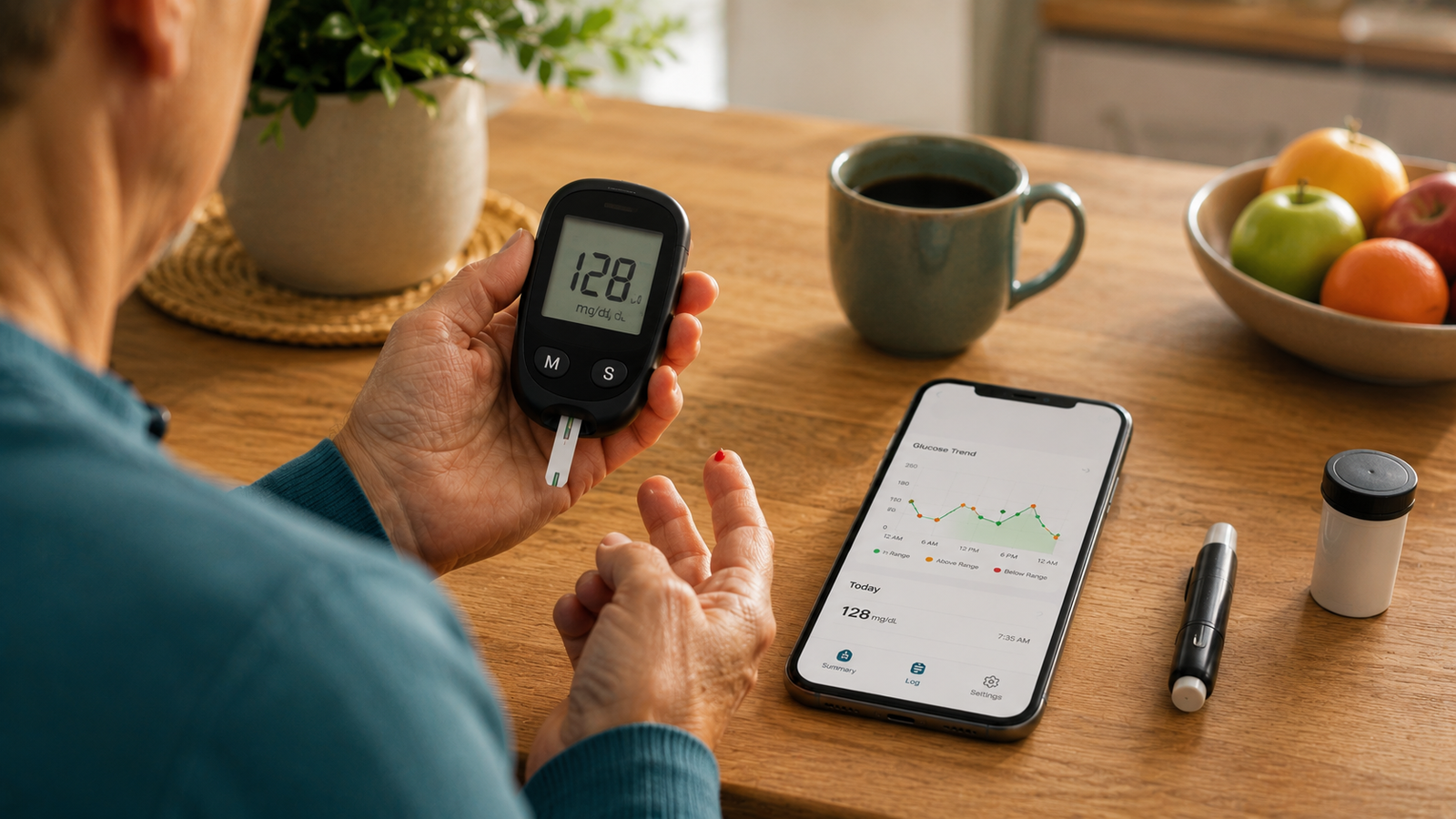
Why Keep a Blood Sugar Diary? (2026 Guide)
Checking your blood sugar gives you a number. Keeping a blood sugar diary turns those numbers into understanding. A diary — a running record of your readings along with the context around them — is one of the most useful habits for anyone managing their glucose, because it reveals things no single reading ever could. If you've wondered whether it's worth the effort, here's what a diary actually gives you.
This guide explains the real benefits of keeping a blood sugar diary, why context matters as much as the numbers, and how it helps both you and your doctor. Current for 2026.
Medical disclaimer: This article is for general information only and is not medical advice. Blood Sugar Monitor is a tracking tool, not a medical device — it logs the readings you take with your own glucose meter or CGM and does not diagnose or treat any condition. Always follow the guidance of your qualified healthcare provider.
Your numbers, with the story attached
Blood Sugar Monitor is a digital diary for your readings — glucose, insulin, blood pressure, and more — with notes, charts, reminders, and reports for your doctor. Free to start.
What is a blood sugar diary?
A blood sugar diary is more than a list of numbers — it's a record of your readings together with the context around them: when you took them, what you ate, your medication, activity, and how you felt. That context is what makes it a "diary" rather than just a log, because it captures the story behind each reading. Kept in a diary app, all of that lives in one place and turns into charts you can actually learn from.
The real benefits of keeping a diary
Here's what the habit gives you in return for a few seconds per reading:
| Benefit | What it gives you |
|---|---|
| See patterns | Trends and tendencies single readings hide |
| Understand your context | How meals, activity, and routine line up with readings |
| Better appointments | A clear record to share with your doctor |
| A sense of control | Engagement with your own health |
| A complete history | A record that builds over months |
None of these come from a single reading — they all come from a record kept over time. That's the case for a diary in a nutshell. A diary app delivers all of it with far less effort than paper.
Why context matters as much as the numbers
A reading with no context is hard to make sense of; the same reading paired with "after lunch" or "post-walk" or "stressful day" becomes meaningful. The diary habit — capturing a little context with each entry — is what lets you and your doctor see why your numbers move, not just that they did. This is the difference between a bare log and a true diary, and it's where the real value lives. Quick notes and tags in an app make capturing context effortless.
How a diary helps your doctor
Your diary is one of the most useful things you can bring to an appointment. Instead of a single in-office reading, your doctor gets to see how your glucose behaves over time, with context attached — which supports a more informed conversation about your care. A diary you can export as a clean report makes that easy. It's a tool to inform the discussion with your care team, never a substitute for it.
Paper diary or app?
You can keep a diary on paper or in an app. Paper is simple but easy to fall behind on and hard to spot trends in; an app keeps your diary in your pocket, charts your readings, reminds you to log, and lets you share reports. For most people the app wins on staying complete and being useful — you can see the difference for yourself.
Making the habit stick
A diary only delivers if you keep it, and the secret is making it easy and remembering why you started. For the practical side, see how to remember to check your blood sugar and our tips to stay consistent with logging — together they cover turning the diary into a habit that runs on its own. Start small, keep it effortless, and let the record build. You can begin your diary free.
Start a diary that actually helps
Record your readings with context, see your patterns on clear charts, get reminders, and export reports for your doctor — all in one simple diary. Free to start.
Frequently asked questions
Why should I keep a blood sugar diary?
A diary turns individual readings into understanding — it reveals patterns single readings hide, shows how meals and activity line up with your numbers, gives you a clear record to share with your doctor, and helps you feel more in control of your health. Those benefits come from a record kept over time, not from any one reading.
What's the difference between a blood sugar log and a diary?
A log is essentially a list of readings, while a diary adds context — meals, medication, activity, and how you felt — alongside each number. That context is what lets you and your doctor understand why your readings move, which is where most of the value is.
Does keeping a blood sugar diary really help?
Yes, because management decisions are better informed by trends and context than by isolated readings. A diary surfaces those trends for you to observe and for your doctor to interpret. It supports your care; it doesn't replace your doctor or your meter.
What should I write in my blood sugar diary?
Record each reading with its date and time, plus context like whether it was around a meal, any medication, activity, and how you felt. Even brief notes make a big difference. Your doctor can advise what's most worth capturing for your situation.
Is a diary app better than a paper diary?
For most people, yes — an app keeps your diary always with you, charts your readings automatically, reminds you to log, and lets you export reports for your doctor. Paper works but is easy to fall behind on and harder to spot trends in.
How do I keep up a blood sugar diary?
Make logging quick, use reminders, aim for consistent rather than perfect, and keep your reason for tracking in mind. Attaching it to an existing routine helps it become automatic. The easier and more rewarding it feels, the more likely the diary habit is to stick.
why keep a blood sugar diarybenefits of a blood sugar diaryblood sugar diaryglucose diary benefitsblood sugar journalreasons to track blood sugardiabetes diaryblood sugar record keeping